
Regulators and Transmitters
Pressure Regulators
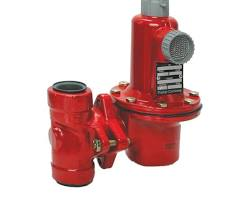
A regulator is a self-contained device that controls the pressure of a fluid (liquid or gas) to a desired value. Unlike a control valve, most regulators are self-operated, meaning they use the energy of the process fluid itself to function.
- Pressure Reducing Regulators: These take a high, fluctuating upstream pressure and reduce it to a lower, constant downstream pressure.
- Back Pressure Regulators: These maintain a specific pressure upstream of the device, opening only when the pressure exceeds the setpoint.
- Fisher 627 & 95 Series: Common industrial regulators used in gas pipelines and steam systems.
Transmitters
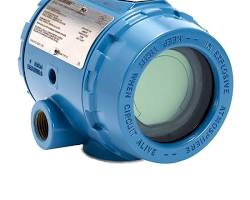
A transmitter is a device that “senses” a physical variable and “transmits” that information as a standardized signal (usually 4–20 mA or a digital protocol like HART) to a control system or PLC.
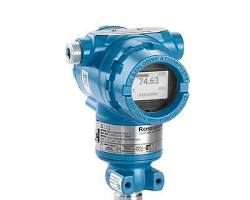
- Pressure Transmitters: Use a sensor to measure force against a diaphragm. (e.g., Rosemount 3051).
- Temperature Transmitters: Convert low-level signals from thermocouples or RTDs into a stable 4–20 mA signal that isn’t susceptible to electrical noise over long distances.
- Level Transmitters: Can be ultrasonic (radar), hydrostatic (pressure-based), or guided wave radar.
- Differential Pressure (DP) Transmitters: Measure the difference between two pressure points, often used to calculate flow rates across an orifice plate.
Essential Brands & Models
In your inventory or project planning, you will likely encounter these specific industry standards:
- Rosemount (Emerson): The global leader in transmitters (3051S Series for pressure, 3144P for temperature).
- Fisher (Emerson): The standard for gas and steam regulators (Type 67C for instrument air, Type 627 for fuel gas).
- Foxboro / Schneider Electric: Known for extremely rugged pressure and flow transmitters used in chemical processing.
- ABB: Widely used for electromagnetic flowmeters and advanced temperature transmitters.
In the world of industrial process control, Regulators and Transmitters are the “eyes” and “muscles” of a system. They ensure that variables like pressure, flow, and temperature stay within safe and efficient operating limits.
Key Differences: Regulator vs. Control Valve + Transmitter
| Feature | Regulator | Transmitter + Control Valve |
|---|---|---|
| Power Source | Self-operated (fluid pressure) | External (Electricity/Air) |
| Complexity | Simple, standalone | High (requires PLC/DCS) |
| Precision | Good for steady loads | Excellent for fluctuating loads |
| Communication | None (Mechanical) | Digital (HART, Foundation Fieldbus) |
Installation Components
To work correctly, transmitters and regulators need specialized hardware:
- Manifolds: 2-valve, 3-valve, or 5-valve blocks that allow for the isolation and calibration of transmitters without shutting down the process.
- Impulse Piping: Small diameter tubing that connects the process pipe to the transmitter.
- Thermowells: Protective metal tubes that house temperature sensors, allowing them to be replaced without draining the pipe.
Would you like to see the technical specifications for a specific model, such as the Rosemount 3051, or perhaps a breakdown of how to calibrate a DP transmitter?