
Electrical Equipment and Materials
Wiring and Conductors
These materials form the “circuits” that allow electricity to flow throughout a structure.
- Cables and Wires: Conductors (usually copper or aluminum) insulated with materials like PVC, THHN, or XLPE. As discussed previously, specialized environments like marine or offshore rigs require specific ratings like Type P or LSZH (Low Smoke Zero Halogen).
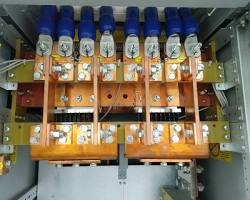
- Busbars: Thick strips of copper or aluminum that conduct electricity within a switchgear or a panelboard, capable of carrying very high currents.
- Conduit and Raceways: Protective tubing (EMT, PVC, or Rigid Metal) used to house and protect electrical wiring from environmental da
Control and Automation
This equipment is used to manage the behavior of motors, machines, and industrial processes.
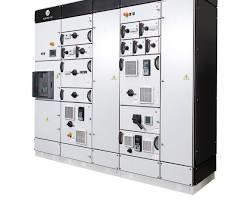
- Motor Control Centers (MCC): An assembly of one or more enclosed sections having a common power bus and principally containing motor control units.
- Variable Frequency Drives (VFD): Devices used to control the speed and torque of an AC motor by varying the frequency and voltage of the power supplied.
- Programmable Logic Controllers (PLC): Industrial computers used for automation of electromechanical processes.
The category of Electrical Equipment and Materials encompasses a vast range of components used to generate, distribute, and control electrical power in industrial, commercial, and residential settings.
To provide a clear overview, these materials are generally classified into several key functional groups.
Power Distribution Equipment
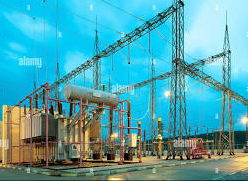
This group includes the heavy-duty hardware required to manage high-voltage electricity from the grid and step it down for safe use.
- Transformers: Devices that change the voltage of alternating current (AC) using electromagnetic induction.
- Switchgear: A combination of electrical disconnect switches, fuses, or circuit breakers used to control, protect, and isolate electrical equipment.
- Panelboards and Load Centers: The central distribution point for electrical circuits in a building, housing the circuit breakers that protect individual lines.
Wiring Devices and Hardware
The “end-point” materials that allow users to interact with the electrical system.
- Receptacles and Plugs: Available in various NEMA configurations depending on voltage and amperage requirements.
- Light Switches and Dimmers: Manual controls for illumination circuits.
- Junction Boxes: Metal or plastic enclosures used to house wiring connections, protecting them from weather and preventing accidental shocks.
Lighting Equipment
- Luminaires: The complete lighting unit (fixtures).
- Lamps: The actual light source (LED, Fluorescent, High-Pressure Sodium).
- Ballasts and Drivers: Components that provide the necessary voltage and current to start and operate specific types of lamps.
Are you looking for technical specifications for a specific project, or would you like to dive deeper into a particular sub-category like industrial motor controls?
Safety and Protection Materials
Components designed to prevent fires, equipment damage, and electrocution.
- Circuit Breakers and Fuses: Devices that automatically “trip” or blow to interrupt electrical flow when a fault (like an overload or short circuit) is detected.
- Grounding and Bonding Equipment: Rods, clamps, and wires that provide a safe path for fault current to return to the earth.
- Surge Protective Devices (SPD): Protects sensitive electronics from voltage spikes caused by lightning or grid switching.